
Coronary Artery Disease: Causes, Treatments & Prevention
Understanding Coronary Artery Disease Causes
If you are at risk of coronary artery disease, it’s important to understand how it can be prevented. If you have been diagnosed with the early stages of this condition, you should educate yourself on what causes it and how it is treated. Keep reading to learn more about this disease so that you can take an active role in your health and work with your cardiologist to develop an effective treatment and management plan in New Hampshire.
What Is Coronary Artery Disease?
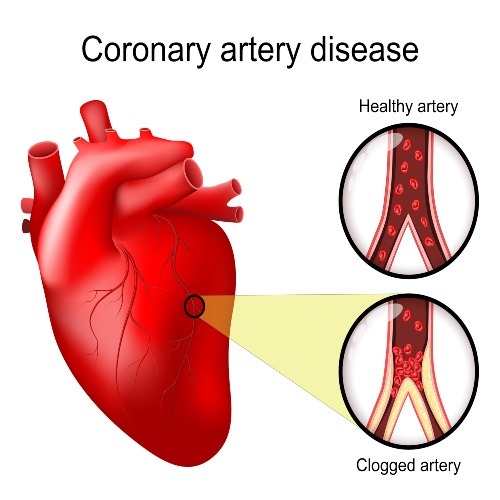
Coronary artery disease, or CAD, is a condition that occurs when the arteries responsible for supplying blood to your heart are blocked or become narrowed. This prevents your heart from receiving sufficient oxygen-rich blood. The most common symptoms of CAD are:
- Chest pain or angina
- Shortness of breath
- Fatigue or weakness
- Nausea or vomiting
- Dizziness or lightheadedness
- Indigestion or heartburn
- Excessive sweating or hot flashes
- Rapid or irregular heartbeat
- Edema or foot swelling
- Cold hands or feet
- Pain in the shoulder or arm
What Are the Risk Factors or Causes of Coronary Artery Disease?
For some people, there is no immediately identifiable cause of CAD. However, certain factors may increase your risk. Understanding what causes coronary artery disease can help you make proactive life changes to lower your risk of heart failure:
- Chronic high blood pressure or hypertension
- High cholesterol
- Smoking
- Diabetes
- Unhealthy diet
- Sedentary lifestyle
- Obesity
- Alcohol overuse
- Substance overuse
- Chronic stress
- Age
- Family history of the disease
- Genetics
How Is Coronary Artery Disease Diagnosed & Treated?
CAD is diagnosed by evaluating your lifestyle and symptoms, reviewing your medical history and family history, and running diagnostic tests. The most common cardiac tests used are electrocardiograms (ECGs or EKGs), echocardiograms, stress tests, coronary angiography, CT scans, MRIs, and blood tests. CAD treatment typically consists of cardiac rehab, or a comprehensive program designed to improve your heart health and reduce your risk of heart failure. Some common CAD treatment options are:
- Medications – Antiplatelet drugs can prevent blood clots, statins can lower cholesterol levels, beta-blockers can lower blood pressure and heart rate, calcium channel blockers can dilate blood vessels, and nitrates can relieve chest pain.
- Lifestyle Changes – Lifestyle changes, such as following a heart-healthy diet, quitting smoking, increasing exercise, and maintaining a healthy weight, can help you manage CAD.
- Medical Procedures – In certain cases, your physician or cardiologist may recommend surgery or a medical procedure like a coronary artery bypass surgery, angioplasty, or atherectomy.
Can I Prevent Coronary Artery Disease?
Yes. The best method of preventing coronary artery disease is entering a cardiac rehab program. This combines lifestyle modification with medication and monitoring to lower your risk of CAD, improve your heart health, and restore your overall health and quality of life. The program may include:
- Regular exercise
- Following a heart-healthy diet
- Maintaining a healthy weight
- Quitting smoking and drinking alcohol
- Getting regular physical check-ups
- Managing chronic conditions
- Taking medications
- Understanding the warning signs of a heart attack and stroke
Contact Us to Diagnose, Treat, and Manage Coronary Artery Disease
Cardiovascular Specialists of New England offers the latest and most advanced treatment, management, and prevention programs for heart conditions like CAD. We specialize in patient education and prevention, and have a team of skilled, experienced heart specialists and board-certified cardiologists committed to providing personalized patient care. Call us now or contact us online to make an appointment to discuss CAD treatment in New Hampshire.
Stay Tuned! More information coming soon!