
Breaking Down the 6 Most Common Arrhythmias
Breaking Down the 6 Most Common Types of Arrhythmias
Research indicates that somewhere between 1.5 and 5 percent of the general population of the United States experiences arrhythmia of some type. While some arrhythmias are harmless, some can be quite dangerous, and understanding the different kinds of arrhythmias can help you protect yourself. It’s important to have at least a rudimentary understanding of arrhythmia.
What is a Heart Arrhythmia?
Simply put, a heart arrhythmia is an irregular heartbeat. It can happen with or without symptoms, but common symptoms include heart palpitations, lightheadedness or feeling faint, or shortness of breath. Understanding arrhythmias requires an understanding of the heartbeat, and the function of the sinoatrial (SA) node. Also known as the natural pacemaker, the SA node jump-starts each heartbeat with an electrical impulse that, when disrupted, can cause an arrhythmia. Even when it doesn’t cause noticeable symptoms, this disruption of the normal heartbeat can affect how efficiently the heart pumps blood to the body.
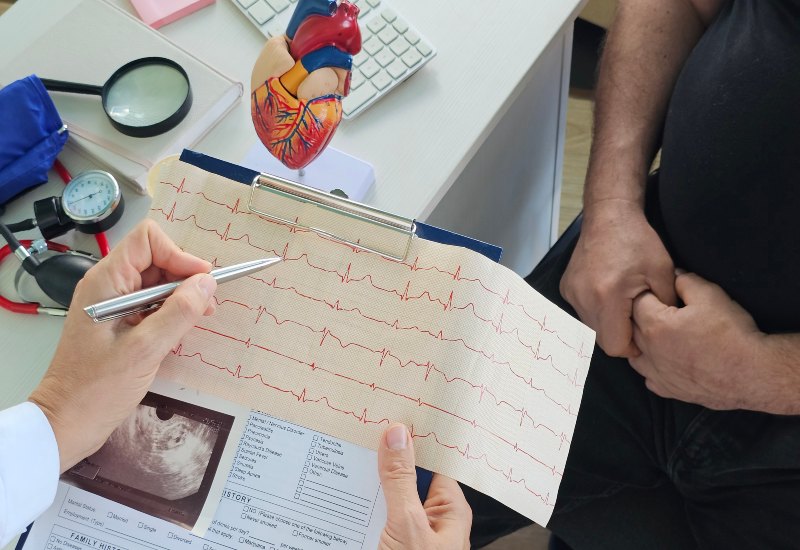
What Are Common Irregular Heartbeat Causes?
Sometimes, an irregular heartbeat is a temporary problem, associated with an outside cause. These causes include exercise, illness, stress, and too much caffeine, all of which can push the heartbeat out of the typical 60 to 100 beats per minute. This kind of arrhythmia is not typically cause for concern; it’s when the irregular heartbeat is persistent and has no discernible outside cause that it should be managed to prevent complications. Left untreated, a persistent arrhythmia can cause long-term damage, increasing the risk of stroke, heart failure, and other health issues, and can even be life-threatening.
6 Common Arrhythmias: From Atrial Fibrillation to Ventricular Tachycardia
The most common types of persistent arrhythmia are:
- Atrial Fibrillation (AFib): An erratic signaling in the upper chambers of the heart, resulting in a fast, uncoordinated heartbeat. This increases the risk of stroke, heart failure, and other dangerous heart conditions.
- Atrial Flutter (AFL): Similar to atrial fibrillation, this causes the atria to beat faster than the ventricles. Untreated atrial flutters can increase the risk of heart failure.
- Bradycardia (BRADY): This is a slower-than-normal heartrate, below 60 beats per minute, and it’s not a problem for people who are in excellent physical condition. However, when someone less fit has bradycardia, it indicates an issue with the heart’s electrical system, and can cause dizziness, fatigue, lightheadedness, or feeling faint.
- Supraventricular Tachycardia (SVT): This condition is actually a group of arrhythmias that begin above the heart’s lower chambers. It causes a heart rate that is over 100 beats per minute and lasts anywhere from minutes to days, causing discomfort in the chest, shortness of breath, dizziness, and fatigue.
- Ventricular Fibrillation (VFib): While atrial fibrillation is not necessarily serious, ventricular fibrillation is life-threatening and requires immediate medical attention. VF causes the ventricles to quiver rather than pumping, making the heart unable to pump blood to the brain and other organs.
- Ventricular Tachycardia (VT): When the electrical signals in the lower chambers of the heart are abnormal, the heart beats too rapidly and can’t pump enough blood to the body. This is called ventricular tachycardia and it is a life-threatening emergency.
Which Arrhythmias Require Medical Attention?
Do all arrhythmias need medical attention? No, and in fact, some are harmless. When your heart seems to skip a beat, there’s no need to panic. However, if it happens often or lasts longer than a few seconds, or if you have a known heart condition, it’s wise to contact your doctor.
Arrhythmias that Need to Be Monitored
Certain types of arrhythmias need to be closely monitored, through regular doctor’s appointments.
- Premature ventricular contractions (PVCs) are early beats from the bottom of the heart. Sometimes they’re harmless, but they should be monitored because they can damage the heart if they happen often or cause symptoms.
- Tachycardia can be harmless. Symptoms can be disruptive and uncomfortable, however, it’s good to have a doctor pay attention to it.
- Bradycardia is sometimes a sign of a healthy heart. In young or physically fit people, a low heart rate is normal. However, the heart rate doesn’t give a complete picture. If you are having symptoms of a slower-than-normal heartrate, see your doctor right away for an assessment.
Arrhythmias that Should Be Treated As Soon as Possible
Some arrhythmias can be life-threatening. They can be treated, but it’s crucial that medical care is sought as quickly as possible.
- Atrial fibrillation (AFib) can increase the risk of stroke if left untreated.
- Ventricular tachycardia (VT) can cause cardiac arrest if it is persistent.
- Ventricular fibrillation (VFib) is another type of arrhythmia that can cause cardiac arrest and sudden death.
Why Choose Cardiovascular Specialists of New England for Treatment of Heart Rhythm Disorders?
For treatment of arrhythmias, trust the leaders in heart rhythm treatment at Cardiovascular Specialists of New England. At CSNE, we use the most innovative technologies and solutions in order to bring world-class heart care to our patients, using minimally invasive treatments before turning to surgery. Leaders in their respective specialties of cardiovascular medicine, our cardiologists strive to deliver the best outcomes by providing exceptional cardiac care, tailored to meet the needs of each individual patient. For cardiac and vascular care in New Hampshire that meets the highest standards of excellence, contact Cardiovascular Specialists of New England for an appointment.
Stay Tuned! More information coming soon!