
Recovery Roadmap — Aftercare Tips for Vein Procedures
Common Vein Procedures and What to Expect for Vascular Health Recovery
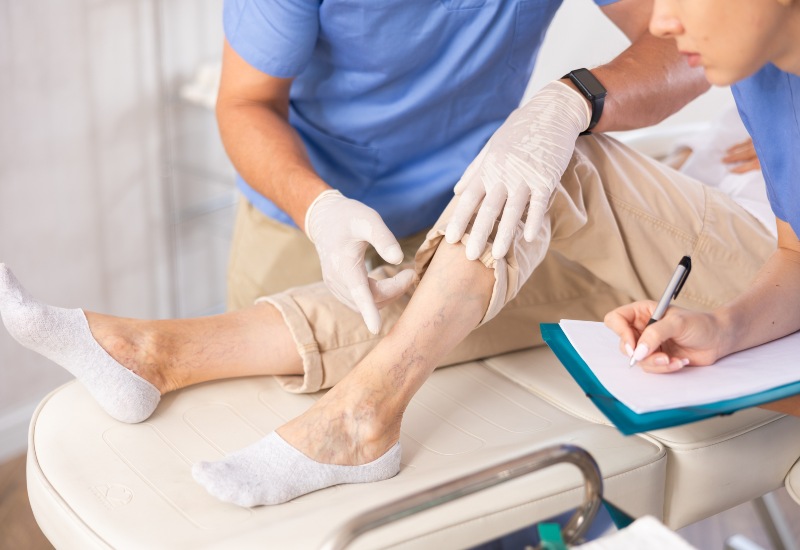
Vein and vascular conditions can be cosmetic, or they can have a significant impact on a person’s health. Fortunately, there are minimally invasive vein procedures to treat conditions like varicose veins and spider veins. Sclerotherapy, laser treatments, and vein stripping are all options, and each of these procedures has a different recovery period but requires similar aftercare. Knowing what to expect from the recovery process can help you heal more comfortably and lead to a better outcome.
Understanding the Recovery Process
While each procedure is different and each patient unique, there are some common factors in each recovery. Immediately following the procedure, patients may experience discomfort, swelling, and bruising, and the focus will be on managing discomfort and avoiding complications. Once post-treatment symptoms begin to subside, patients can resume normal activities, but healing can take several weeks or even months. If you’re recovering from a vein procedure, it’s important to be patient and to understand that healing varies between people, so your experience will be unique.
Sclerotherapy: Fading Time and Post Vein Surgery Care
One effective treatment for varicose and spider veins is sclerotherapy. In this procedure, the physician injects a solution into the vein, causing it to collapse and fade. This fading can take several weeks, and proper care after the procedure is crucial for healing and recovery. Doctors encourage wearing compression stockings and walking, to support vein closure, reduce swelling, and promote good circulation.
Compression Therapy After Vein Treatment and How it Helps
How do compression stockings help with recovery? The gentle pressure they apply to your legs promotes blood flow, helping to reduce swelling and prevent clots. Wearing properly fitted stockings consistently for a few weeks after the procedure makes healing more comfortable by supporting the veins as they heal. Some people find compression stockings inconvenient, but it is important to follow your doctor’s instructions, in order to have the optimal outcome. In most cases, patients are advised to wear compression garments consistently for a few days immediately after treatment, then continue to wear them during waking hours for several weeks.
Varicose Vein Treatment Aftercare: Activity Guidelines and Restrictions
In the first 24 hours after a vein procedure, it’s important to rest and elevate the legs, to minimize discomfort and swelling. There may be bruising around the treated area, and you can expect some mild pain. Follow your doctor’s instructions, but pay attention and be aware of any unusual symptoms, including redness or excessive pain. If you notice something unusual, communicate with your healthcare provider. During the first week, you’ll notice gradual improvement and can resume most of your daily activities. Walking is recommended, because it helps promote healing and supports circulation. Wear compression stockings during the recovery process and avoid strenuous activity for optimal results. Make sure to attend your follow-up appointments, and practice healthy vein habits like staying hydrated and active.
A Smooth Recuperation Period: Vein Procedure Recovery Tips
Being proactive about your recovery and making small lifestyle changes once you have healed can make a huge difference in your outcome. Follow these tips for a smooth recovery:
- Stick to your doctor’s instructions, following them exactly.
- Elevate your legs to alleviate swelling.
- Use ice to help with symptoms.
- Do not stand or sit for long periods of time.
- Drink plenty of water to stay properly hydrated.
- Wear compression stockings as directed.
- Walk and engage in other light exercises.
- Once you’ve recovered, limit high-impact activities and balance activity with rest.
Why Choose Cardiovascular Specialists of New England?
Cardiovascular Specialists of New England. At CSNE, we use the most innovative technologies and solutions in order to bring world-class heart care to our patients, using minimally invasive treatments before turning to surgery. Leaders in their respective specialties of cardiovascular medicine, our cardiologists strive to deliver the best outcomes by providing exceptional cardiac care, tailored to meet the needs of each individual patient. For cardiac and vascular care in New Hampshire that meets the highest standards of excellence, contact Cardiovascular Specialists of New England for an appointment.
Stay Tuned! More information coming soon!