
Wearable Devices and Heart Monitoring: What Patients Should Know
Your watch says you might have an irregular rhythm, now what? For many people, that single notification is exciting, confusing, and a bit scary all at once. Cardiovascular Specialists of New England explains what wearable heart monitoring devices can and cannot do, and how to use them without letting the data take over your life. Contact us to learn more.
How Wearables Watch Your Heart
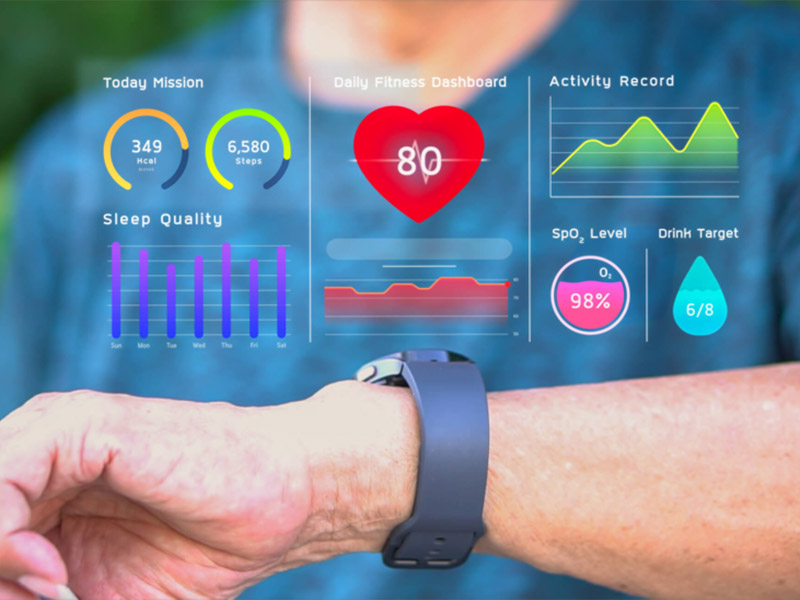
Most heart-monitoring wearables (such as smartwatches and fitness bands) use a light-based sensor called photoplethysmography (PPG). They shine green light into your skin and measure how that light changes as blood pulses through tiny vessels, which lets the device estimate your heart rate beat by beat. Some devices also let you take a short, single‑lead electrocardiogram (ECG) by touching the watch with a finger, which records the heart’s electrical activity for about 30 seconds.
From these signals, wearables can track your heart rate at rest, during activity, and during sleep, and they can look for patterns that suggest an irregular rhythm such as atrial fibrillation (AFib). They often combine heart data with motion and sleep tracking, so you see daily steps, workouts, sleep duration, and sometimes stress or recovery scores tied to your heart rate pattern.
What Wearables Do Well
These heart monitoring devices can do many things to boost your health. These include:
- Spotting possible AFib or irregular rhythms, especially if episodes come and go, might be missed at a single office visit.
- Tracking how your heart rate responds to exercise, including peak heart rate and how quickly it comes back down afterward.
- Showing long‑term trends in resting heart rate, activity levels, and sleep, which can reflect fitness, illness, or stress over time.
- Providing convenient, real‑time information without wires, patches, or a trip to the clinic.
What Heart Wearables Can’t Do
Even the best heart-monitoring wearables have significant limitations. Many are cleared to help detect possible AFib, but they are not approved to diagnose most other arrhythmias or heart conditions on their own. They can miss rhythm problems that are very brief, occur when the device is off your wrist, or are hard to detect with a single sensor. Movement, loose bands, tattoos, darker skin tones, and poor contact can cause “noise” in the signal, leading to incorrect heart rate readings.
Why Medical‑Grade Tests Still Matter
Clinical tools like a 12‑lead ECG, holter monitor, event monitor, or patch record more detailed electrical signals from your heart for longer periods. These tests are the gold standard for diagnosing arrhythmias, guiding treatment, and ruling out more serious conditions that a watch cannot reliably detect. They are designed, validated, and regulated for diagnostic use, while most consumer wearables are intended for screening and general wellness support.
When Your Device Sends an Alert
If your watch says you might have an irregular rhythm, it does not automatically mean something is seriously wrong, but it also shouldn’t be ignored. The goal is to treat the alert as a prompt to collect information and talk with your health care team, not as a final answer. When you get an alert:
- Save the data.
- Save or export the ECG strip or irregular rhythm report in your app if possible.
- Take screenshots that show the date, time, and what the alert said.
- Note what you felt.
- Write down any symptoms at the time.
- Include what you were doing.
- Call your health care provider.
- For severe symptoms, seek emergency care immediately rather than waiting.
- For milder or no symptoms, contact your primary care clinician or cardiologist, share the report, and ask if you should have an ECG, holter monitor, patch, or other testing.
Do Not Change Medicines on Your Own
Changing medications on your own can have severe consequences. Do not start, stop, or change heart medications based only on watch data unless your clinician tells you to. Ask how your wearable data can be used alongside their plan, such as tracking rate control or symptoms over time.
False Alarms, Missed Episodes, and Anxiety
Because heart monitoring wearables check your pulse so often, they are bound to catch odd beats or noisy readings, some of which are harmless. This can lead to alerts that sound serious but are not confirmed as a dangerous rhythm on medical tests.
On the other hand, no wearable is perfect. Some episodes are too brief, too subtle, or happen when the device is off so that they can be missed. Knowing this can help you keep perspective: a normal‑looking graph does not guarantee perfect heart health, and an alert does not mean you are in immediate danger. If data from your watch is increasing your anxiety:
- Adjust alert settings with your clinician’s guidance (for example, turning off non‑essential notifications).
- Focus on trends (like your average weekly resting heart rate and activity) rather than checking your heart rate every few minutes.
- Ask your care team which numbers they actually want you to watch, so you are not chasing every small fluctuation.
Ask CSNE about heart monitoring patches, which are better for medical diagnosis. They are highly accurate and can catch irregular heartbeats (arrhythmias).
Using Wearables Wisely for Heart Health
Used thoughtfully, heart monitoring wearables can be a helpful partner in your care. They can motivate you to move more by setting step or exercise goals, tracking how consistent you are with medications or blood pressure checks, and prompting earlier conversations when something looks off. In patients with known AFib or other conditions, certain devices can support ongoing monitoring between visits when combined with medical‑grade testing and clinician review.
Contact Cardiovascular Specialists of New England
Cardiovascular Specialists of New England offers quality heart care to New Hampshire patients. The key is to see your smartwatch or fitness band as a tool, not a replacement for professional evaluation. Let it encourage healthy habits, help capture information when you do not feel well, and open the door to timely care, while remembering that decisions about diagnosis and treatment still rest with your health care team. Reach out to us today to schedule a consultation.
Stay Tuned! More information coming soon!