
When Should You Worry About Abnormal Heartbeats?
If you’ve ever felt your heart “fluttering,” “pounding,” “skipping,” or suddenly “racing,” you’re not alone. These sensations, often described as heart palpitations, are incredibly common and can feel alarming in the moment. For many people, they happen once in a while and pass quickly. For others, they’re more frequent or noticeable. The truth is, not all abnormal heartbeats are dangerous. In fact, many are harmless, but some can be early warning signs that your heart needs medical attention. Knowing the difference can help you respond calmly and appropriately when symptoms show up. Cardiovascular Specialists of New England explains when you should worry about abnormal heartbeats. Learn more today.
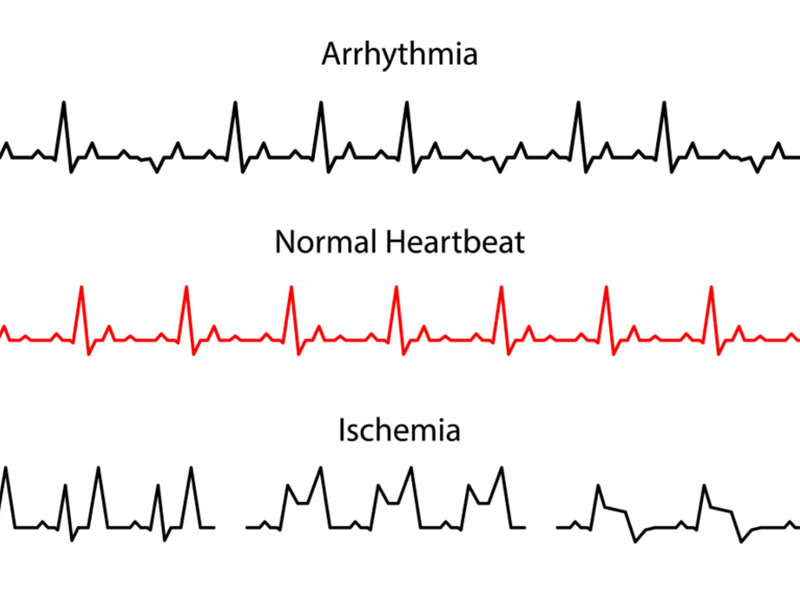
What Are Abnormal Heartbeats?
An abnormal heartbeat, also called an arrhythmia, means your heart is beating too fast, too slow, or irregularly. You might feel:
- A fluttering sensation in your chest
- A pounding or forceful heartbeat
- A skipped or “extra” beat
- A racing heart, even at rest
Causes of Abnormal Heartbeats
A wide range of factors can cause these sensations. Common heart palpitation causes include stress, caffeine, dehydration, lack of sleep, or even certain medications. In many cases, these triggers lead to temporary changes in heart rhythm that aren’t harmful. Some arrhythmias are linked to underlying heart conditions and require closer evaluation.
Facts About Abnormal Heartbeats
Some of the most important things to know and remember about abnormal heartbeats include that they are usually not urgent. Most irregular heartbeat symptoms fall into the “not urgent” category. You’re likely experiencing a harmless issue if your palpitations are:
- Brief and infrequent
- Not accompanied by other symptoms
- Triggered by obvious factors like caffeine, stress, or exercise
- Occurring in an otherwise healthy person
One common example is a premature beat, either a premature atrial contraction (PAC) or a premature ventricular contraction (PVC). These can feel like your heart “skips” a beat or adds an extra one. While the sensations can be unsettling, they are often harmless, especially if they happen occasionally. Think of it like a hiccup in your heart’s rhythm, noticeable, but not dangerous.
Ways to Lower the Risk of Abnormal Heartbeats
While abnormal heartbeats can be scary, you can help lower the risk of these occurrences. The following simple lifestyle adjustments can often help:
- Reduce caffeine and alcohol intake
- Stay hydrated
- Manage stress through relaxation techniques
- Get enough sleep
Still, even if symptoms seem mild, it’s reasonable to mention them at your next routine check-up, especially if they start happening more often.
Call Your Doctor or 911
Some arrhythmia warning signs should never be ignored. These symptoms could signal a more serious issue with your heart rhythm or circulation. Seek medical attention promptly if your palpitations are accompanied by:
- Chest pain or pressure
- Fainting or near-fainting
- Severe shortness of breath
- Dizziness or lightheadedness
- A very fast heart rate (especially over 120–130 beats per minute at rest)
- A very slow heart rate (especially below 50 beats per minute with symptoms)
These combinations may indicate a more dangerous arrhythmia, such as atrial fibrillation, ventricular tachycardia, or heart block. In these cases, the heart may not be pumping blood effectively, which can affect oxygen delivery to your brain and body. If symptoms are sudden, severe, or worsening, especially chest pain or fainting, call 911 immediately.
A Simple Rule of Thumb
It can be hard to decide in the moment whether something is serious. Here’s an easy rule to remember:
New + Frequent + With Symptoms = Call
- New: You’ve never experienced this before
- Frequent: It’s happening more often or lasting longer
- With symptoms: You feel dizzy, short of breath, or have chest discomfort
If all three are present, it’s time to seek medical advice sooner rather than later.
When to See a Cardiologist for Palpitations
Our medical team is always ready to help you with heart issues. Even if your symptoms aren’t urgent, you should consider consulting us if:
- Your palpitations are becoming more frequent
- They interfere with daily life or sleep
- You have a history of heart disease
- You have risk factors like high blood pressure, diabetes, or a family history of arrhythmias.
What to Expect During Evaluation
If you do seek care, the good news is that testing for abnormal heartbeats is straightforward and noninvasive. We may recommend the following cardiac tests:
- Electrocardiogram (ECG or EKG) –A quick test that records your heart’s electrical activity.
- Holter or event monitor –A wearable device that tracks your heart rhythm over 24 hours or longer.
- Echocardiogram – An ultrasound that shows the structure and function of your heart.
These tests help pinpoint the type of arrhythmia and guide treatment decisions. In many cases, no treatment is needed beyond reassurance and lifestyle changes. If treatment is required, options may include medications, procedures, or monitoring strategies tailored to your specific condition.
Contact Cardiovascular Specialists of New England
Cardiovascular Specialists of New England helps boost heart health in New Hampshire. It’s completely natural to feel concerned when your heart rhythm doesn’t feel normal. It’s important to strike a balance between awareness and unnecessary worry.
Most abnormal heartbeats are not dangerous. At the same time, paying attention to patterns, and especially to accompanying symptoms, can help you recognize when it’s time to act. Listening to your body doesn’t mean assuming the worst. It means noticing changes, understanding what they might mean, and seeking help when the signs point in that direction. Reach out to us today to schedule a heart health consultation.
Stay Tuned! More information coming soon!