
How Does Cardiac Rehabilitation for Seniors Help Their Hearts?
Heart attacks can happen at any age, but according to data from the American Heart Association, between 2005 and 2014, the average age for a heart attack in males was 65.6, and the average age for women was 72. Heart attacks are more likely later in life. After a cardiac event, it’s common to think the hardest part is behind you once you leave the hospital. However, even weeks later, everyday tasks can still feel overwhelming. Walking to the mailbox can leave you short of breath. You may worry about falling or overextending yourself, because the last thing you want is to end up in the emergency room. This is why cardiac rehabilitation for seniors at Cardiac Specialists of New England in Londonderry, NH is such an essential part of the recovery journey.
A Safe Program Designed for Seniors
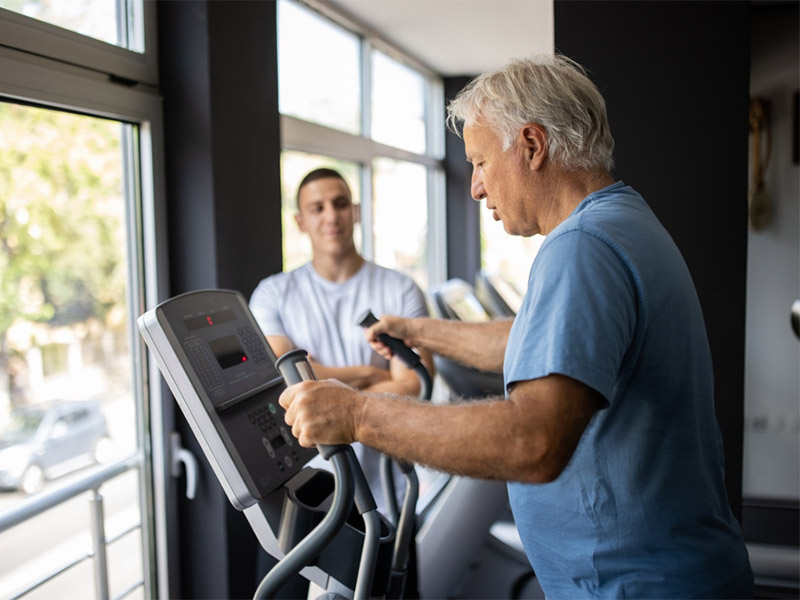
After a heart attack, it’s not uncommon for seniors to just accept that their limitations are the new normal. You may balk at the thought of a rehabilitation program. Aren’t they for younger people? How can I safely exercise if my heart is damaged? These are common questions, but our cardiac rehabilitation programs are custom-designed for patients based on age, ability, and health conditions. It’s about helping you regain health, strength, confidence, and independence.
The Cycle of Repeat Hospital Visits and Daily Limitations
Heart conditions such as heart attacks, heart failure, and coronary artery disease often lead to a frustrating cycle for seniors: hospital admission, discharge, short-term improvement, and then another setback. Without structured support, it’s easy to fall back into patterns that increase the risk of rehospitalization. These recurring health issues can place real limits on daily life, including:
- Reduced mobility and stamina
- Fear of physical activity
- Dependence on family members for routine tasks
- Social isolation and loss of confidence
Over time, these limitations can affect physical and emotional well-being. Many seniors begin to avoid activity altogether, worried they might overdo it, which can actually weaken the heart and body further.
Cardiac Rehab: Breaking the Cycle and Moving Forward
Cardiac rehabilitation is a proven way to break this cycle, and includes a medically supervised program to help patients recover after a cardiac event and prevent future problems. For seniors, cardiac rehab focuses on safe, gradual progress. The program meets you where you are in your recovery and allows you to move forward at your own pace. Studies show that cardiac rehab benefits for the elderly include:
- Better mobility and strength
- Greater independence in daily activities
- Reduced risk of rehospitalization
- Improved quality of life
What Exercise Looks Like in Cardiac Rehab for Seniors
One of the most common concerns is whether exercise for seniors with heart disease is safe. Cardiac rehab isn’t about pushing limits or intense workouts. Instead, it focuses on gentle, structured movement that supports heart health and overall function. Every exercise session is closely monitored. Heart rate, blood pressure, and symptoms are checked regularly to ensure safety. As strength and endurance improve, activities are adjusted gradually. Common exercise routines may include:
- Walking or treadmill sessions at a comfortable pace
- Stationary cycling with low resistance
- Light strength training to support balance and muscle health
- Stretching and flexibility exercises to reduce stiffness and prevent injury
Learning About Your Heart and How to Care for It
When you hear cardiac rehab programs explained by professionals, you’ll quickly realize it isn’t just about physical activity. Education is a key part of the program. You’ll learn about your specific heart condition and how it affects daily life. Important topics for discussion include:
- Understanding medications and why they matter
- Managing blood pressure and cholesterol
- Heart-healthy nutrition for seniors
- Stress management and emotional well-being
Gaining Confidence Through Self-Monitoring
As rehabilitation progresses, you begin to understand your body better. Cardiac rehab teaches seniors how to recognize normal responses to activity and when to seek help. You’ll learn how to:
- Monitor heart rate and breathing
- Recognize warning signs such as chest discomfort or unusual fatigue
- Pace activity throughout the day
- Build healthy routines that support long-term heart health
This self-awareness reduces fear and helps you feel more in control of your condition, which is an important step toward independence.
Why a Personalized Rehab Program Matters
Safety is the top priority in cardiac rehab, especially for seniors with complex health needs. A qualified program begins with a thorough evaluation and develops a personalized plan based on the patient’s medical history, fitness level, and goals. Cardiac Specialists of New England’s rehabilitation programs are guided by experienced professionals who understand the unique needs of older adults. This individualized approach ensures that progress is made safely, with close supervision and adjustments as needed. Choosing a structured, medically supervised program is essential. It provides reassurance for patients and families while delivering the best chance for meaningful, lasting improvement.
Taking the Next Step Toward Better Heart Health
For seniors living with heart disease, recovery doesn’t have to mean giving up independence or quality of life. Heart rehab after a heart attack at Cardiovascular Specialists of New England is available for patients all across New Hampshire. Our goal is to provide a clear path toward stronger recovery, fewer hospital visits, and greater confidence in daily living. If you or a loved one has experienced a cardiac event or is managing a chronic heart condition, contact us to learn more about cardiac rehab. Enrolling in a qualified program can make a meaningful difference to help you or a loved one stay active, independent, and engaged in life.
Stay Tuned! More information coming soon!