
How Rapid Cardiac Diagnostics Change Lives
Cardiovascular disease is the leading cause of death globally, and in the United States, heart disease causes approximately one out of every five deaths. There is no cure for heart disease, though lifestyle changes and various treatments can be used to manage symptoms. Being able to catch cardiac disease early offers the best chance at successful treatment, so today’s rapid diagnostic tools are life-changing innovations. In fact, rapid diagnostic tools don’t just change lives; by catching heart disease early on, they have the potential to actually save millions of lives.
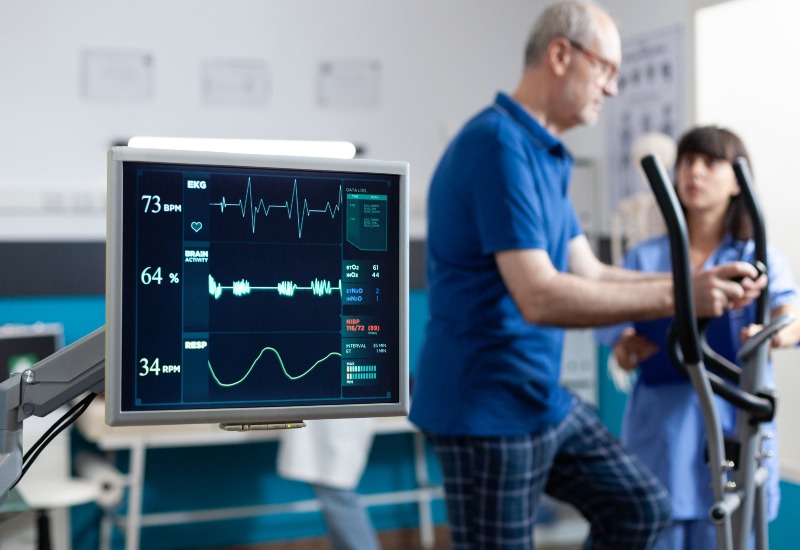
What are Fast Diagnostics? Understanding Fast Cardiac Testing
Fast diagnostics are any tests that can deliver information quickly, allowing doctors to assess and start treating an issue without unnecessary delays. The tests used in fast diagnostics include those with quick lab turnaround time and point of care testing, and the decision-oriented component of rapid testing. The goal is to quickly and reliably deliver information that allows the healthcare provider to make an immediate decision regarding clinical care.
Key Types of Rapid Diagnostic Tools and Technologies
Fast diagnostic tools are patient-centered, using proximity and speed to deliver efficient, effective treatment, resulting in better outcomes for patients. Point of care testing (POCT) is performed in clinics, ambulances, and emergency rooms, delivering results in a matter of minutes. Most people are familiar with examples of POCT like blood pressure tests, glucose monitoring, and pregnancy tests, but may be less aware of cardiac point of care testing. These rapid tests measure things like myoglobin, cardiac troponin, cardiac enzymes, and plasma B-type natriuretic peptide. Using them, doctors can detect cardiac injury markers for the early diagnosis of conditions like myocardial infarction and heart failure.
Top Cardiology Innovations
The field of cardiology has benefited greatly from precision medicine and sophisticated diagnostic tools. Advanced diagnostic imaging offers clarity on the heart’s structure and function, and genomic research allows for targeted interventions, making cardiac care more personalized and effective. With minimally invasive procedures like transcatheter aortic valve replacement (TAVR) and percutaneous coronary intervention (PCI), life-saving treatments are delivered without the need for open surgery.
A Quick Heart Check-Up: Benefits of Fast Diagnostics in Clinical Practice
By using fast diagnostics, clinicians can greatly shorten the time it takes to get test results, allowing them to test and make care decisions during the same encounter. By reducing guesswork and supporting same-visit therapy, rapid diagnostics can help achieve better outcomes. Because same-day answers reduce anxiety, they’re good for the patient-provider relationship, and when patients see the connection between testing and action, they’re more likely to adhere to treatment plans. Quick results mean a smoother clinical workflow, too, as well as a reduction in costs because unnecessary hospital admissions, repeat visits, and minimizes complications through faster treatment.
The Future of Fast Diagnostics
Even now, fast diagnostics are evolving into sophisticated, connected tools that support rapid decision making. The future of rapid diagnostics in cardiac medicine is promising, and with AI integration, that promise is accelerating rapidly. Wearables are streaming continuous signals that can be translated into early warning signs, empowering patients to be proactive in their own healthcare. As technology progresses, innovation in rapid diagnostics will continue to reshape cardiac care, equipping physicians with the ability to create care that is not just proactive and precise but also tailored to the needs of each unique patient.
For Advanced Heart Diagnostics and Cardiac Care, Trust Cardiovascular Specialists of New England
For state-of-the-art diagnostics and cutting-edge cardiovascular care, trust Cardiovascular Specialists of New England. At CSNE, we use the most innovative technologies and solutions in order to bring world-class heart care to our patients. Leaders in their respective specialties of cardiovascular medicine, our cardiologists work to deliver the best outcomes by providing exceptional cardiac and vascular care, tailored to meet the needs of each individual patient. For cardiac and vascular care in New Hampshire that meets the highest standards of excellence, contact Cardiovascular Specialists of New England for an appointment.
Stay Tuned! More information coming soon!