
What You Drink Can Raise or Lower Your Blood Pressure
Ever notice how your day seems to revolve around what’s in your cup? You wake up and reach for coffee. By mid-afternoon, maybe it’s a soda or an “energy” drink to push through the slump. Dinner might include a sports drink after a workout or a glass of wine to unwind. It all feels normal, even harmless. The catch is that what you drink throughout the day can quietly raise or lower your blood pressure. For many people, beverages are one of the most underestimated contributors to hypertension. Let’s break down how common drinks affect your blood pressure and how a few simple swaps can make a meaningful difference.
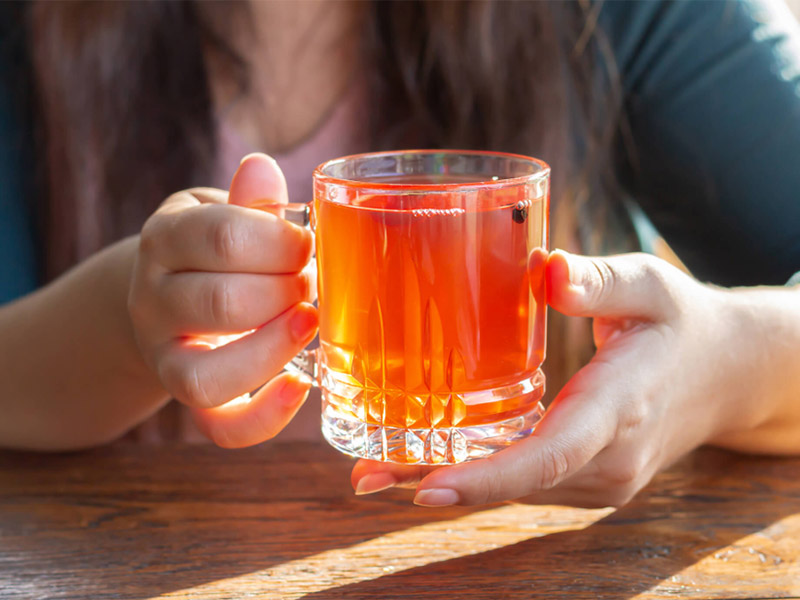
How Drinks Affect Blood Pressure
Different beverages influence your blood pressure in different ways. The main culprits come down to the key factors of sodium, sugar, caffeine, alcohol, and hydration. This is how specific drinks affect blood pressure:
- Water – Staying well-hydrated with water helps your blood vessels function properly and supports healthy circulation. When you’re dehydrated, your body can retain sodium and tighten blood vessels, which may increase blood pressure.
- Caffeinated Drinks – Drinking coffee, tea, and energy drinks can cause a temporary spike in blood pressure. For some people, especially those sensitive to caffeine or who already have hypertension, these spikes can be more pronounced.
- Sugary Beverages – Drinks like sodas, sweet teas, and many “energy” coffees, can contribute to weight gain and insulin resistance over time, both of which are linked to higher blood pressure. Some also contain hidden sodium, which adds another layer of risk.
- Sports Drinks – These drinks often get a “healthy” reputation, but many contain significant amounts of sodium and sugar. Unless you’re doing intense, prolonged exercise, they may do more harm than good when it comes to blood pressure.
- Alcohol – Alcohol has a more complex relationship with blood pressure. Small amounts may not cause major issues, but regular or heavy drinking can raise blood pressure and interfere with medications.
Common Drinks People Underestimate
Some of the biggest offenders aren’t always obvious. Many people are surprised to learn that these everyday drinks can impact blood pressure:
- Specialty Coffee Drinks – A large latte or blended coffee can pack as much sugar as a dessert, plus caffeine that may raise blood pressure.
- Energy Drinks – These often combine high caffeine with sugar and stimulants, leading to noticeable spikes in blood pressure.
- Soda – Regular consumption adds up in sugar and calories, contributing to long-term increases in blood pressure.
- Sports Drinks – Often high in sodium and sugar, they’re unnecessary for most casual activity levels.
- Sweetened Teas – They may seem lighter than soda but can contain just as much sugar.
Better Drink Choices
If you’re looking for the best drinks for high blood pressure, the goal isn’t perfection but consistency. Some better choices include:
- Water – Still or sparkling, plain or infused with fruit. It supports hydration without adding sodium, sugar, or calories.
- Unsweetened Tea – Herbal or green tea offers flavor without added sugar, and some varieties may even support heart health.
- Low-Fat Milk or Fortified Plant Milk – These provide nutrients like calcium and potassium, which help regulate blood pressure.
Small Swaps That Make a Big Difference
The good news is that improving your drink habits doesn’t require a complete overhaul. A few realistic changes can lead to measurable improvements in your blood pressure, including:
- Try Switching to Half-Caf Coffee – You still get the flavor and routine you enjoy, but with less caffeine, which may reduce blood pressure spikes, especially if you’re drinking multiple cups a day.
- Replace One Daily Soda With Sparkling Water – If you like carbonation, this is an easy transition. Add a squeeze of lemon or lime or fresh fruit for flavor without the sugar.
- Rethink Your “Energy” Boost – Instead of an energy drink or sugary coffee, try unsweetened iced tea or a smaller coffee paired with a protein-rich snack. You’ll avoid the sugar crash and reduce the impact on your blood pressure.
- Watch Portion Sizes with Alcohol – If you drink, consider reducing the number of days per week or limiting yourself to one drink. Even this small change can help lower blood pressure over time.
- Check Labels on Sports Drinks – If you’re not doing prolonged, intense exercise, water is usually the better choice. Save sports drinks for when you truly need electrolyte replacement.
Coffee and Hypertension: Do You Have to Quit?
This is one of the most common questions, and the answer is usually no. Coffee and hypertension can coexist, but it depends on how your body responds. Some people experience noticeable increases in blood pressure after caffeine, while others don’t. A practical approach is to monitor your response. Check your blood pressure before and about 30–60 minutes after drinking coffee. If you see consistent spikes, reducing caffeine or switching to half-caf or decaf may help.
Alcohol and Blood Pressure: Finding Balance
When it comes to alcohol and blood pressure, moderation is key. Occasionally, small amounts may not significantly impact your numbers. Regular or heavy drinking can raise blood pressure and increase your risk of heart disease. If you’re working to lower your blood pressure, cutting back on alcohol is one of the most effective lifestyle changes you can make, often with noticeable results within weeks.
Make It Personal: Track What You Drink
One of the most powerful steps you can take is simply paying attention. For a week or two, track what you drink alongside your home blood pressure readings. Patterns often become clear quickly. You might notice your numbers are higher on days with more caffeine, soda, or alcohol, and lower on days you prioritize water.
Contact Cardiovascular Specialists of New England
Cardiovascular Specialists of New England empowers our New Hampshire patients to make better lifestyle decisions. The bottom line is that drinks that affect blood pressure are part of your daily routine, often in ways you don’t notice. By making a few thoughtful swaps and tracking your habits, you can take a meaningful step toward better heart health. Reach out to us to schedule an appointment.
Stay Tuned! More information coming soon!