
Valvular Heart Disease and Risk: Lifestyle Changes That Help
Your heart is a well‑coordinated pump, moving blood through the body with every beat. Inside the heart are four valves that act like one‑way doors. They open to allow blood to flow forward and close to prevent it from flowing backward. When these valves open and close smoothly, your heart doesn’t have to work as hard. When a valve becomes damaged or diseased, however, the heart must pump with extra force to keep blood moving, placing added stress on both the valve and the heart muscle. Conditions like these are known as valvular heart disease, and lifestyle changes are among the essential ways to manage symptoms and reduce their impact on your life. At Cardiovascular Specialists of New England in Londonderry, NH, we work with patients to treat cardiovascular diseases like this. Let’s look at how you can reduce your heart’s overall workload.
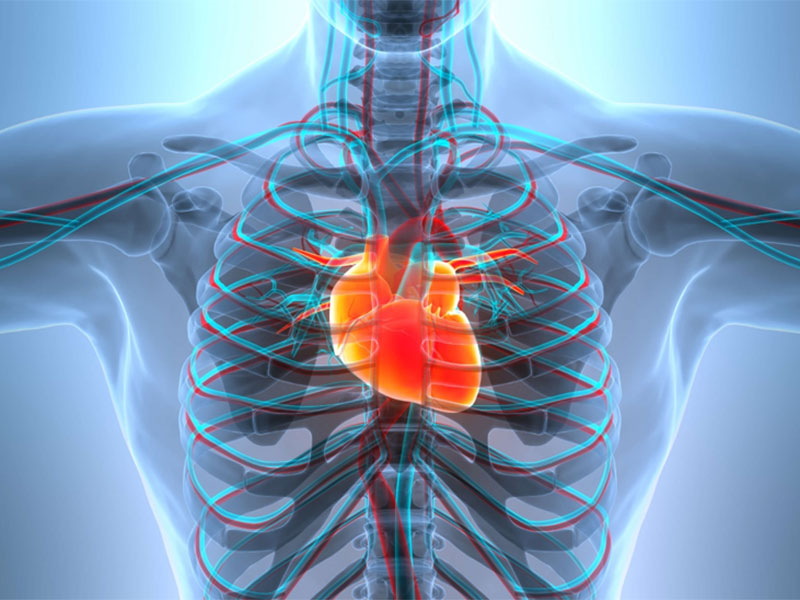
How Many Valves Does a Heart Have?
The heart has four valves that maintain one-way blood flow in the body. There’s a valve that allows blood to enter the heart, and another that allows it to exit. There are two additional valves between the chambers on the right side and the chambers on the left side:
- Aortic Valve – Controls blood flow from the heart to the rest of the body.
- Mitral Valve – Regulates blood flow between the heart’s left chambers.
- Tricuspid Valve – Controls blood flow between the right chambers.
- Pulmonary Valve – Moves blood from the heart to the lungs for oxygen.
Types of Valvular Heart Disease
Looking at valve disease and heart health, the medical team must determine which valve is faulty and how it’s affecting blood flow. Common types of heart valve disease include:
- Stenosis – The valve becomes stiff or narrowed, making it harder for blood to pass through. This increases pressure inside the heart and forces it to work harder.
- Regurgitation – The valve doesn’t close properly, allowing blood to leak backward. The heart must pump extra blood to make up for the loss.
- Prolapse – A valve flap bulges backward when it closes, sometimes leading to regurgitation and inefficient blood flow.
- Atresia – A valve does not fully form (often present at birth), blocking normal blood flow and placing significant strain on the heart.
Common Causes of Heart Valve Disease
Heart valve disease can have many causes, some developing over time and others present from birth. Understanding the cause of valve disease helps guide treatment and highlights why controlling risk factors is so important. Common causes include:
- Heart Attack – Damage to the heart muscle can affect valve function and support structures.
- High Blood Pressure – Chronic high blood pressure puts increased strain on the heart, increasing wear and tear on the valves.
- Congenital Conditions – Some people are born with valve abnormalities that may worsen with age.
- Heart Failure – As the heart weakens, valves may stretch or leak, reducing efficient blood flow.
- Thoracic Aortic Aneurysm – Enlargement of the aorta can interfere with proper valve closure.
Symptoms to Watch For
Heart valve disease may not cause symptoms at first. As the condition progresses and the heart works harder to compensate, a person will begin to feel the effects of reduced heart function. Getting medical care at the first sign is essential to the best treatment outcome. Common symptoms include:
- Fatigue, especially during daily activities
- Increasing shortness of breath, particularly with exertion or when lying down
- Palpitations or a fluttering heartbeat
- Edema, or swelling in the legs, ankles, or feet
- Dizziness or lightheadedness
- Chest pain after exertion, especially in more advanced disease
Lifestyle Changes to Help Manage Heart Valve Disease
Lifestyle habits directly affect how hard your heart has to work. While they can’t replace medical care, they can reduce strain on the heart and slow disease progression. Cardiovascular doctors will suggest:
- Follow a Heart-Healthy Diet – Eating fruits, vegetables, lean proteins, and whole grains helps reduce inflammation and cholesterol buildup, supporting smoother blood flow.
- Control Blood Pressure – Keeping blood pressure in a healthy range lowers stress on heart valves and reduces the risk of worsening valve damage.
- Exercise Safely and Regularly – Moderate physical activity strengthens the heart muscle, allowing it to pump more efficiently. Always follow your cardiology team’s guidance.
- Prevent Infections – Good dental hygiene and prompt treatment of infections can reduce the risk of infective endocarditis, which can damage heart valves.
Preventing Heart Issues as You Age
Even for those without known valve disease or heart issues, healthy habits can protect the heart and reduce the risk of future problems. Reducing heart valve disease risk includes practical steps, such as:
- Limit Sodium – Lower sodium intake helps control blood pressure and prevents fluid buildup that can strain the heart.
- Get Regular Exercise – Aim for consistent, moderate activity to keep the heart strong and resilient.
- Maintain a Healthy Weight – Excess weight increases blood volume and pressure, adding to the heart’s workload.
- Avoid Tobacco Products – Smoking damages blood vessels, increases blood pressure, and accelerates heart disease.
Partnering With Experts for Long-Term Heart Health
Managing heart valve disease is possible and should be done under the guidance of professionals like the Cardiovascular Specialists of New England in Londonderry, NH. We help patients understand their condition, monitor changes, and develop personalized care plans that include medical treatment and lifestyle changes for the best possible outcomes. If you’ve been diagnosed with heart valve disease or are experiencing symptoms that concern you, contact our office to schedule an appointment. With expert care and heart‑smart habits, you can take meaningful steps to protect your heart today and for years to come.
Stay Tuned! More information coming soon!