
Major Complications of CAD
Coronary artery disease (CAD) is the most common type of heart disease and a leading cause of serious cardiac events in the United States. The coronary arteries are the blood vessels that supply the heart muscle with oxygen-rich blood. People suffer complications of coronary artery disease when these arteries become narrowed or blocked. This narrowing reduces blood flow to the heart, limiting proper function and increasing the risk of serious health events. Understanding how CAD progresses and recognizing its warning signs better prepares you to take action early, when treatment is most effective.
What Is Coronary Artery Disease?
Coronary artery disease occurs when the inner walls of the coronary arteries are damaged and begin to accumulate fatty deposits called plaque. Over time, this buildup restricts blood flow and deprives the heart muscle of oxygen. CAD often develops silently over many years, which is why many people are unaware they have it until symptoms appear or until a serious cardiac event occurs.
Why Does Plaque Build Up in the Arteries?
Plaque is a hard, waxy material made up of cholesterol, fat, calcium, and other substances found in the blood. When the inner lining of an artery is damaged, plaque can begin to stick and accumulate along its walls. As plaque hardens and thickens, the arteries become narrower and less flexible, a process known as atherosclerosis. Common causes and contributors to plaque buildup include:
- High levels of LDL (bad) cholesterol
- High blood pressure
- Smoking or tobacco use
- Diabetes
- Obesity
- Sedentary lifestyle
- Poor diet high in saturated fat, sodium, and added sugars
- Family history of heart disease
- Chronic stress
These risk factors often interact, accelerating CAD progression if left untreated in its early stages.
Recognizing the Warning Signs of CAD
One of the most dangerous aspects of coronary artery disease is how gradually it develops. Plaque buildup can begin in early adulthood and progress quietly for decades. During this time, symptoms may be mild, intermittent, or easy to dismiss as stress, aging, or being “out of shape.” However, these symptoms are often early warning signs that the heart is struggling to get enough oxygen. Common symptoms associated with plaque buildup include:
- Chest pain or pressure, especially with activity or stress
- Shortness of breath
- Unusual fatigue
- Heart palpitations or irregular heartbeat
Ignoring these symptoms allows CAD to worsen, increasing the likelihood of serious and potentially life-threatening complications.
Major Complications of Coronary Artery Disease
As plaque buildup progresses, coronary artery disease risks increase, which can lead to several serious heart conditions. Understanding these complications highlights why early diagnosis and management of CAD are so important.
ST-Elevation Myocardial Infarction (STEMI)
A STEMI is a severe type of heart attack that occurs when a coronary artery becomes completely blocked, cutting off blood flow to a portion of the heart muscle. This blockage is often caused by ruptured plaque and a blood clot. Warning signs may include:
- Intense chest pain or pressure, as if someone were standing on your chest
- Pain radiating to the arm, jaw, neck, or back
- Shortness of breath
- Nausea, sweating, or lightheadedness
The connection between a STEMI heart attack and CAD is something everyone should be aware of because it requires immediate treatment to limit heart damage and save lives.
Sudden Cardiac Arrest
Sudden cardiac arrest occurs when the heart suddenly stops beating effectively, usually due to a dangerous heart rhythm. CAD is a leading underlying cause, as reduced blood flow and scar tissue can disrupt the heart’s electrical system. Warning signs may include:
- Sudden collapse
- Loss of consciousness
- No pulse or breathing
Without immediate intervention, sudden cardiac arrest is often fatal.
Ischemic Heart Failure
When CAD limits blood flow over time, the heart muscle can weaken or become stiff, leading to ischemic heart failure. In this condition, the heart can’t pump enough blood to meet the body’s needs. Common symptoms of heart failure caused by CAD include:
- Persistent fatigue
- Shortness of breath, especially with activity or when lying down
- Swelling in the legs, ankles, or feet
- Rapid weight gain from fluid retention
Chronic Angina
Chronic angina is ongoing chest discomfort caused by reduced blood flow to the heart. While it may not always signal an emergency, it’s a clear sign that CAD is present and progressing. Angina symptoms may include:
- Chest pressure, tightness, or burning
- Pain triggered by physical activity or emotional stress
- Relief with rest or medication
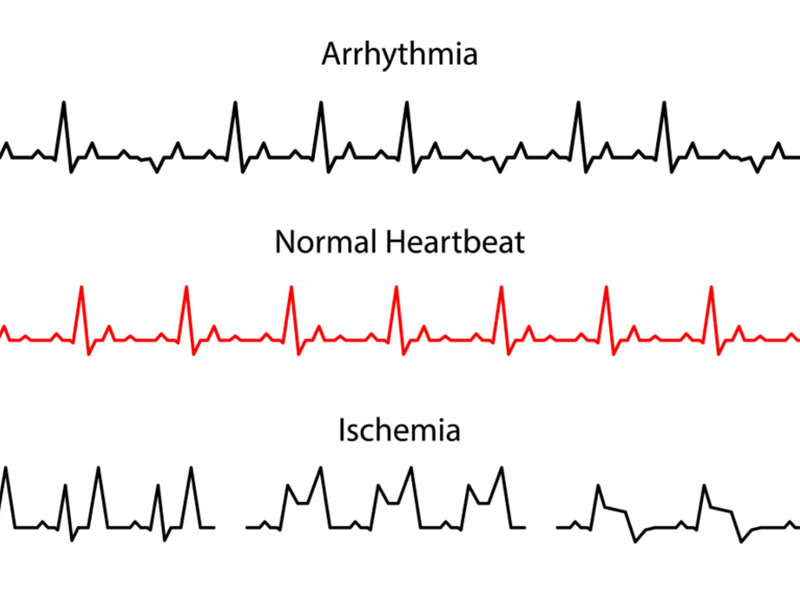
Arrhythmias
Arrhythmias are irregular heart rhythms that can develop when CAD interferes with the heart’s electrical pathways. Some arrhythmias are mild, while others can significantly increase the risk of stroke or sudden cardiac arrest. Possible warning signs include:
- Palpitations or fluttering sensations
- Dizziness or fainting
- Fatigue or shortness of breath
Why Early Diagnosis and Management of CAD Are Critical
Detecting coronary artery disease early allows cardiologists to manage its progression through medical treatment and lifestyle changes. Early management reduces the risk of heart attacks, heart failure, and other complications while improving quality of life and long-term outcomes. Doctors commonly recommend the following lifestyle changes, and these are habits that benefit everyone, not just those with CAD:
- Eating a heart-healthy diet rich in fruits, vegetables, whole grains, and lean proteins
- Engaging in regular physical activity
- Maintaining a healthy weight
- Quitting smoking and avoiding tobacco
- Managing blood pressure, cholesterol, and blood sugar
- Reducing stress and prioritizing sleep
Take the Next Step for Your Heart Health
Coronary artery disease does not develop overnight, and neither does protection against it. Proactive care, early evaluation, and ongoing management with a medical team like Cardiovascular Specialists of New England in Londonderry, NH can reduce the long-term effects of coronary artery disease. If you’re experiencing symptoms or have risk factors for CAD, contact us today to schedule an appointment at our Londonderry, NH location and take an important step toward protecting your heart and your future.
Stay Tuned! More information coming soon!